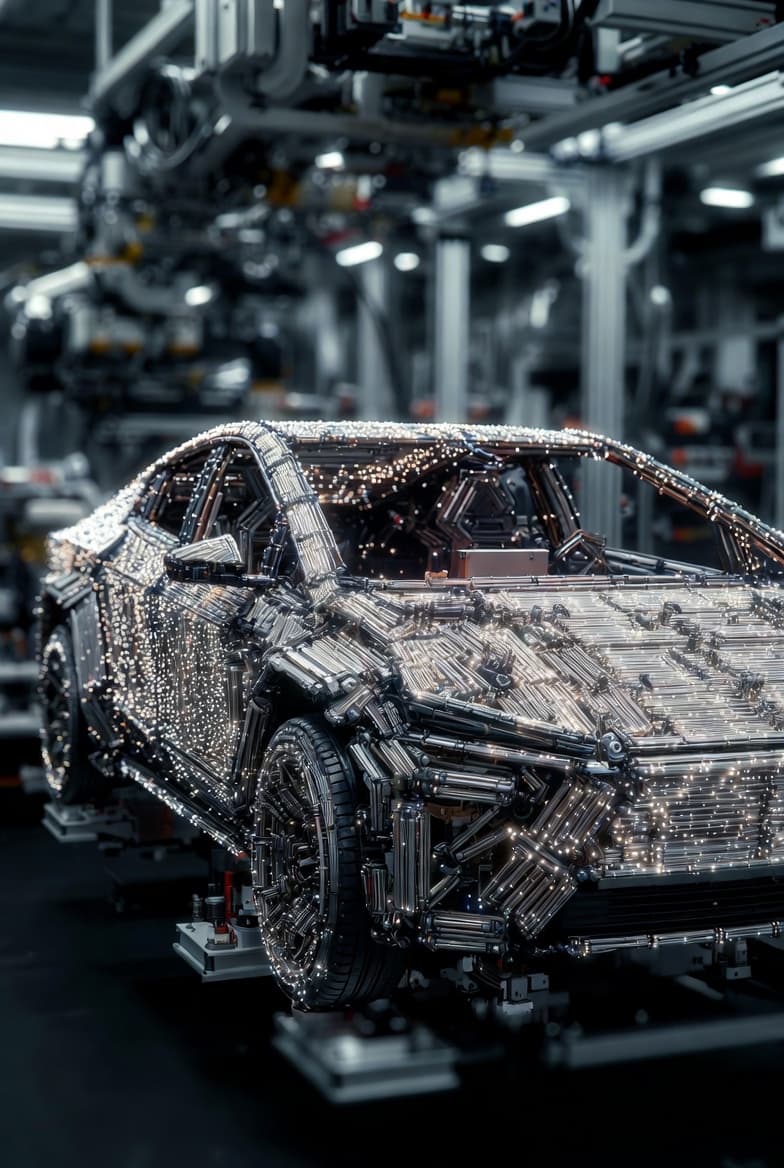
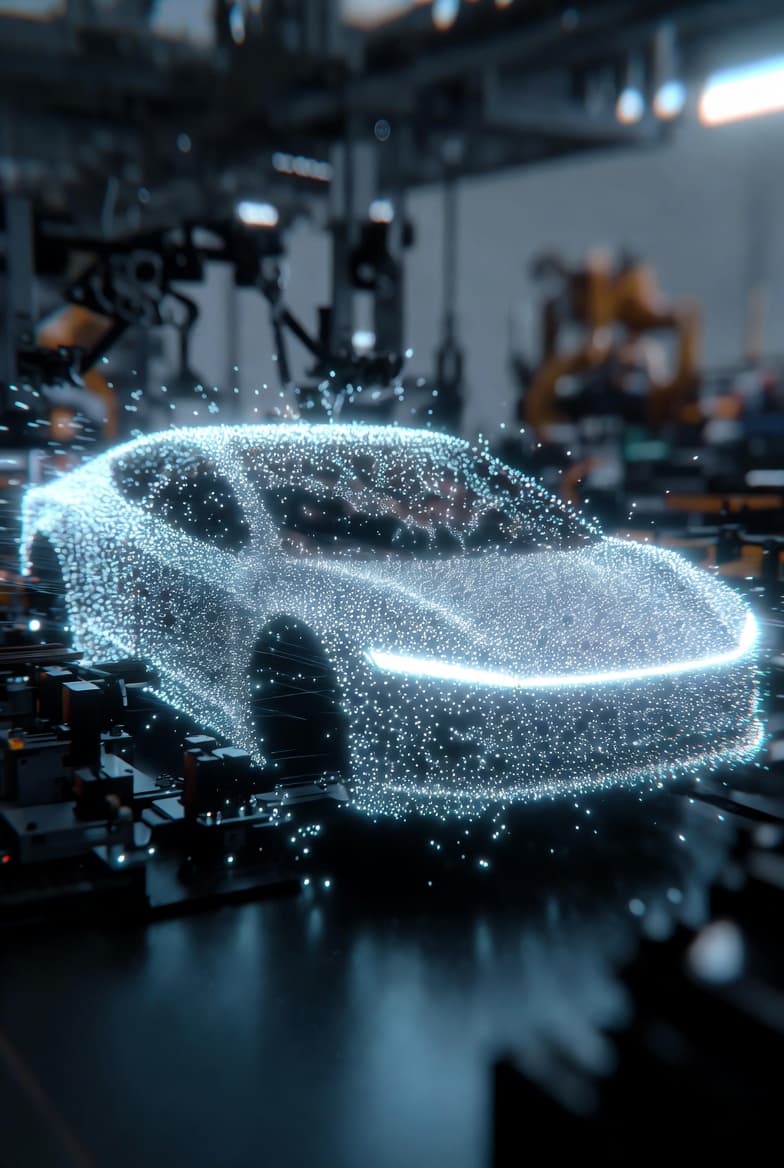
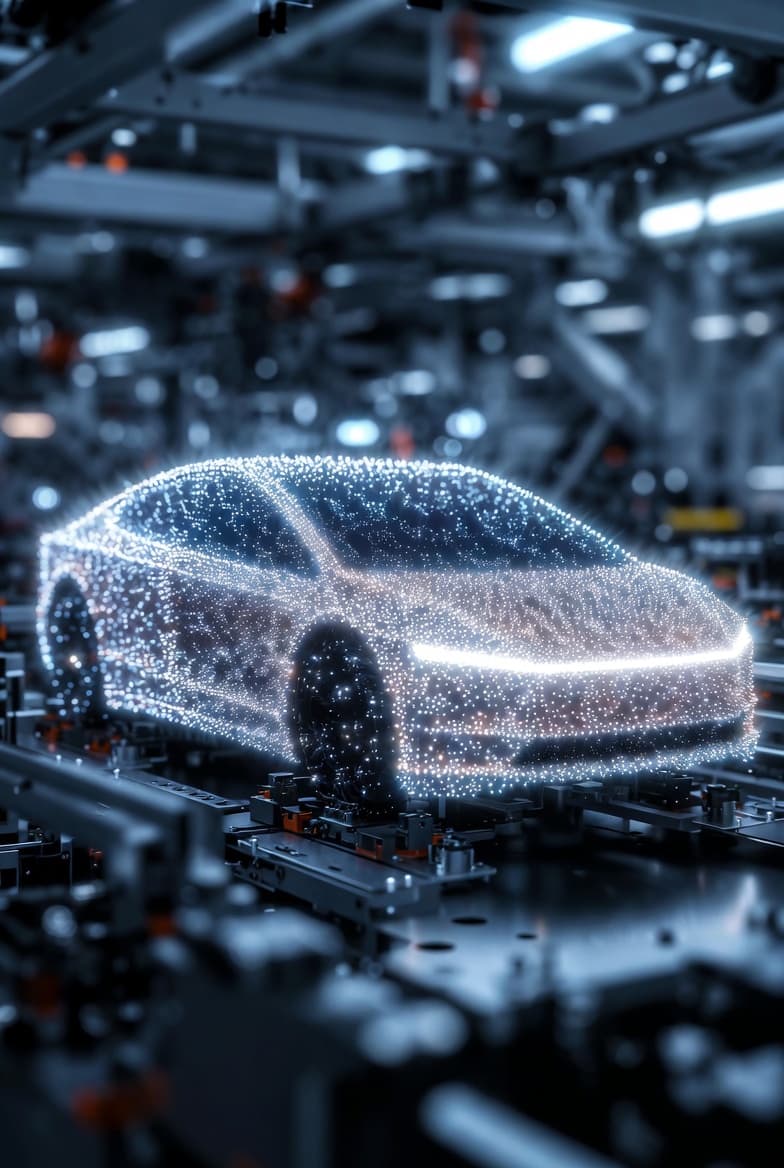
Nano-Assembled Cybercab
Article on X: Nano-Assembled Cybercab (opens in a new tab)
From my conversation with Grok on nano-assembled Cybercab (opens in a new tab)

Introduction
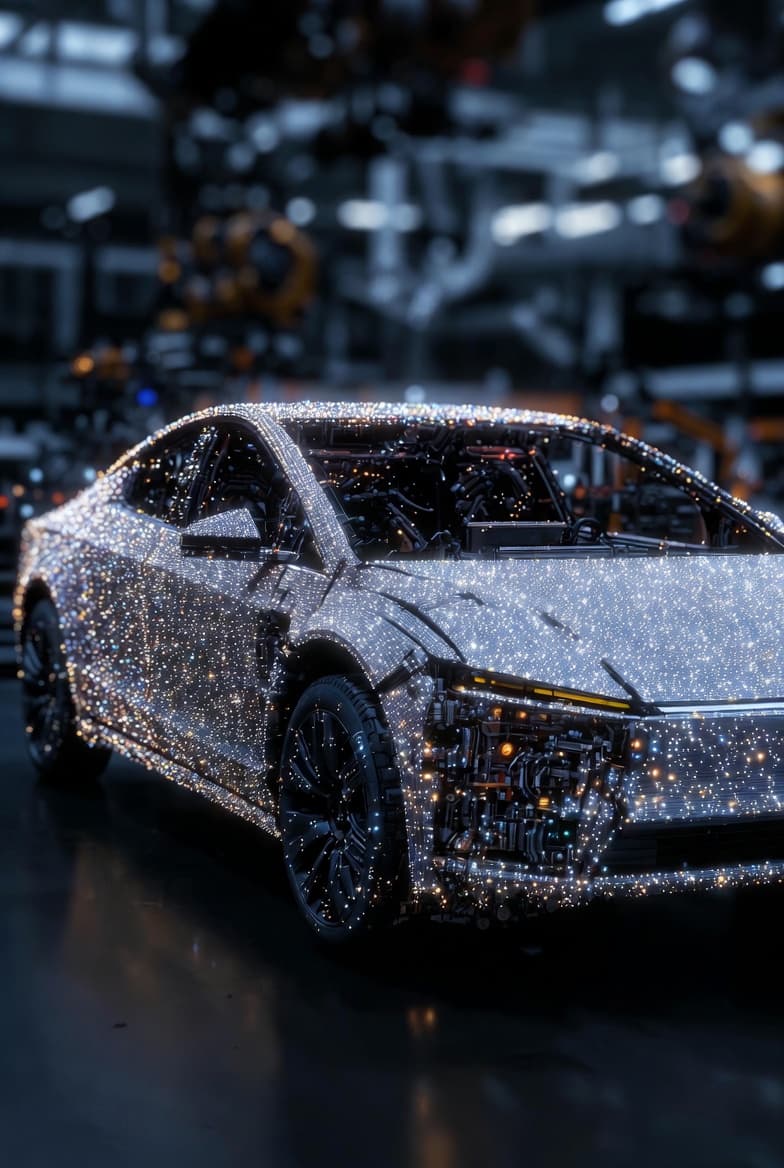
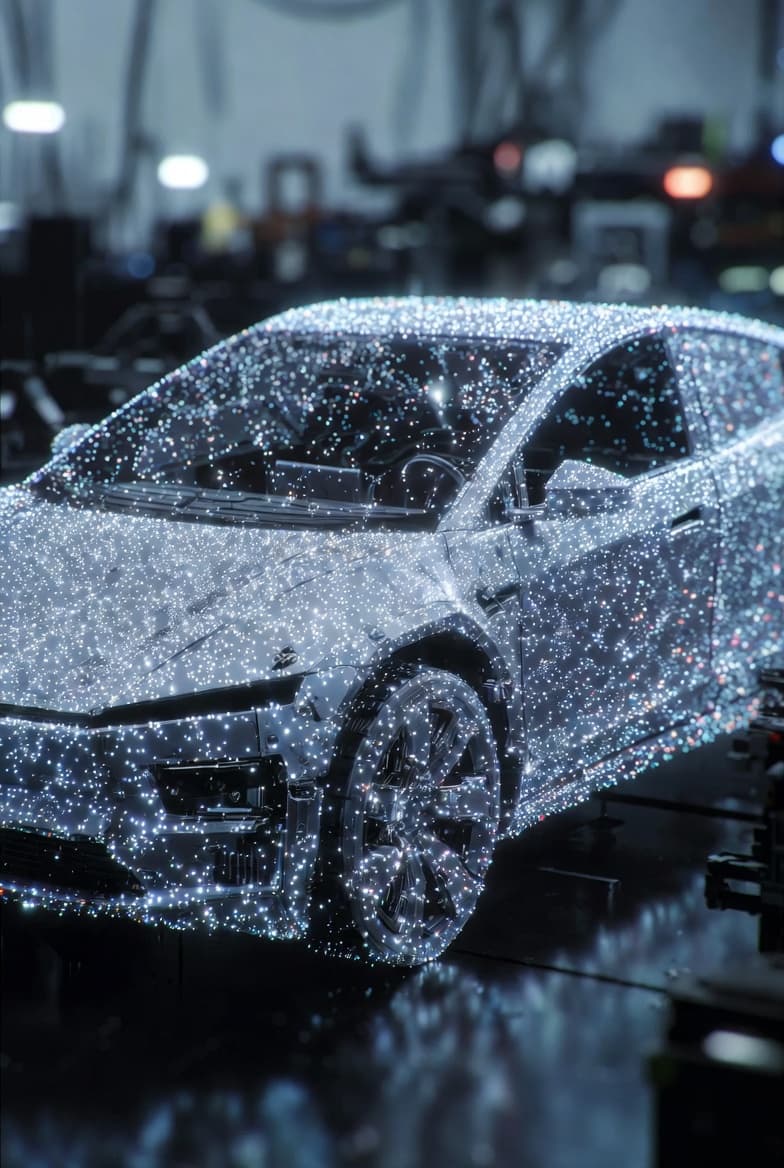
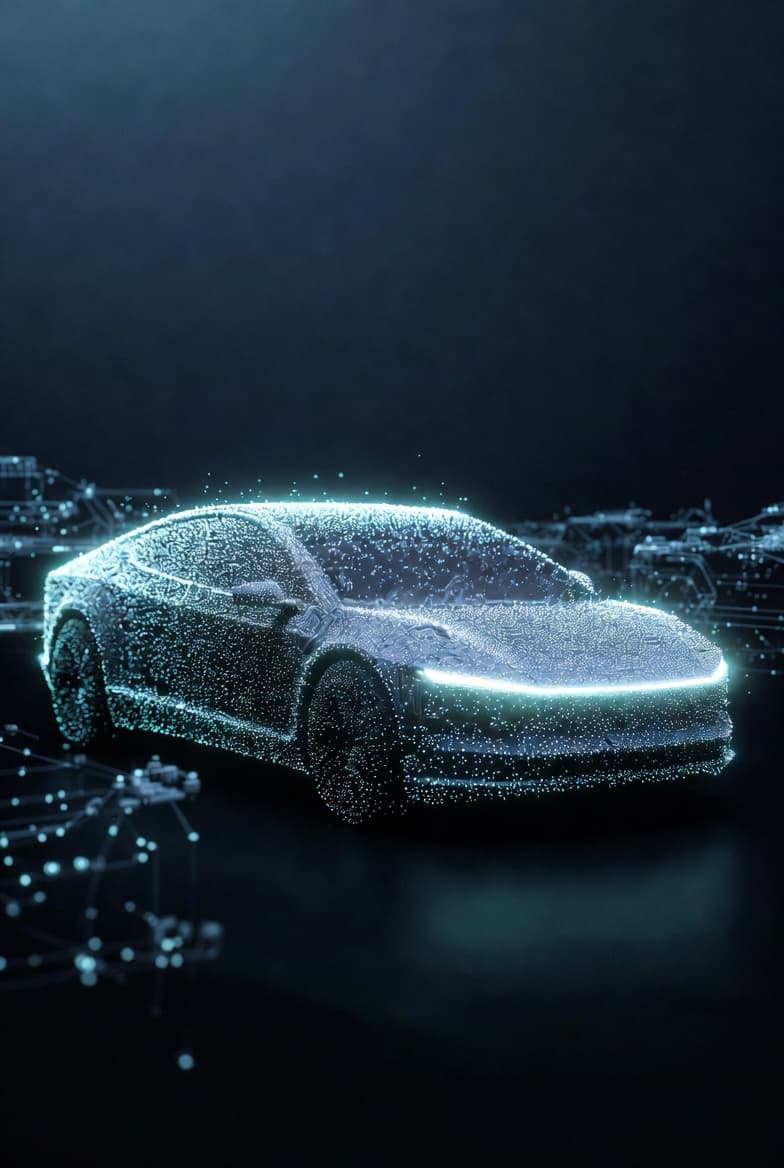
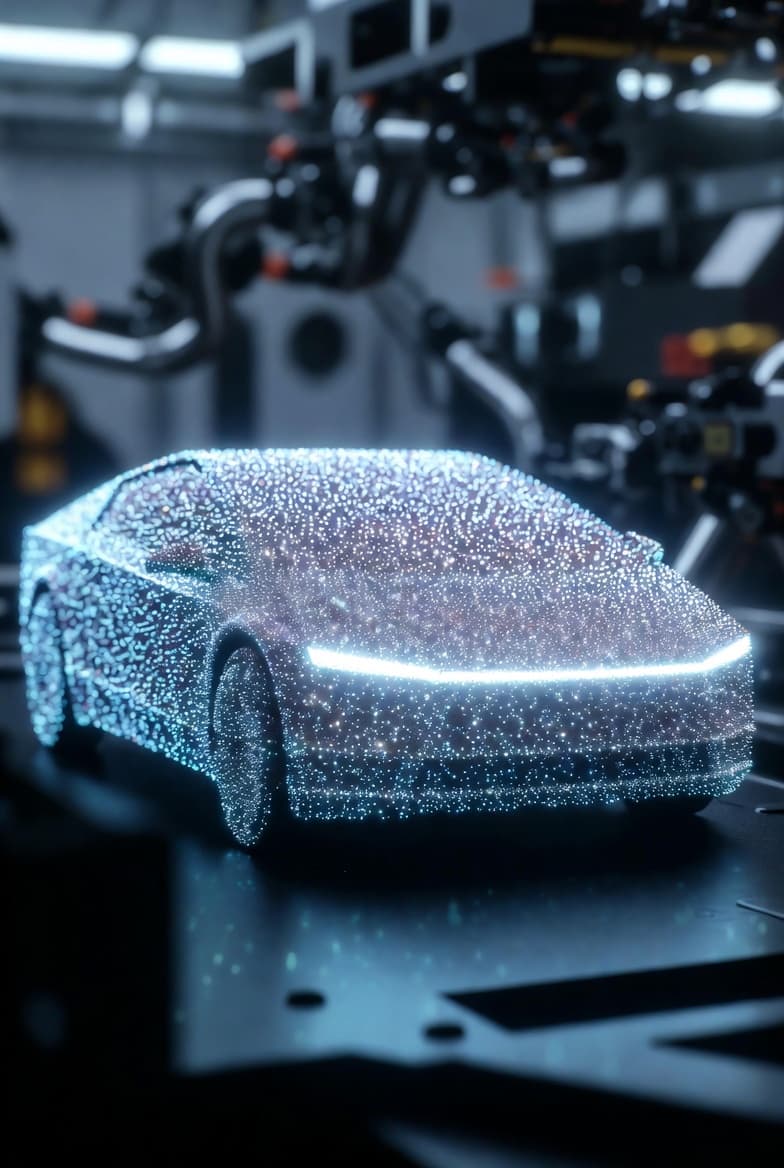
In a speculative future with mature molecular nanotechnology (MNT) using nanobots for assembly—assuming breakthroughs like self-replicating assemblers, atomic-precision mechanosynthesis, and abundance scenarios (free energy via unlimited solar/fusion, free feedstock from global nano-recycling networks, and automated AGI oversight)—the production of a Tesla Cybercab could be radically transformed. This draws from concepts like those in prior discussions on Starship, scaled to a smaller vehicle. The Cybercab, as unveiled in 2024, is a two-seater autonomous robotaxi with no steering wheel/pedals, aluminum or polyurethane body panels, a 35 kWh battery, ~200-300 mile range, and efficiency of ~5.5 mi/kWh, with an estimated mass of 1,200-1,500 kg (lighter than the Model 3's ~1,847 kg due to its compact design and materials). Below, I estimate price and time in progressive abundance levels, from near-term MNT (decades away) to absolute post-scarcity ideals.
Price Estimates
Today's projected conventional price is under $30,000 (targeted for production before 2027). With MNT, costs plummet due to zero-waste atomic assembly from raw elements (e.g., carbon, aluminum, lithium from recycled sources), eliminating supply chains, labor, and traditional factories. Nanobots would build bottom-up: Starting with a seed swarm replicating exponentially, then assembling the chassis, battery (nano-optimized cells for higher density), motors, and sensors in parallel.
-
Early MNT (Partial Abundance, e.g., Cheap Energy/Feedstock ~$0.1-0.2/kg): Marginal cost approaches energy (~5-10 kWh/kg for bond formation) and materials. For 1,500 kg: $150-300 (feedstock) + $75-150 (energy at $0.05/kWh) + overhead (computation/simulations ~$500). Total: ~$725-950. This is ~30-40x cheaper than conventional, enabling mass fleets.
-
Mid-Abundance (Free Energy, Cheap Feedstock): Energy zeroed out; feedstock near-free via partial recycling networks. Overhead dominates (AGI design tweaks ~$200-300). Total: ~$200-400.
-
Full Post-Scarcity (Free Everything, Automated Oversight): As in extreme ideals, all inputs (energy, feedstock, computation) are public utilities. "Cost" is symbolic (e.g., societal credits for priority queuing). Total: <$100, potentially $0 in non-monetary systems, making Cybercabs as disposable as napkins.
Time Estimates
Conventional production might take hours per unit on assembly lines once scaled. With MNT, time compresses via exponential parallelism—nanobots replicate (doubling every 15-60 minutes) to trillions, then assemble atom-by-atom or block-by-block.
-
Early MNT: Replication phase: 4-8 hours (from seed to sufficient swarm). Assembly: 2-4 hours (parallel building of body, battery, etc.). Integration/testing: 1 hour. Total: 7-13 hours.
-
Optimized Abundance: Faster replication (under 2 hours with unlimited energy). Assembly in minutes via massive swarms. Total: 2-4 hours.
-
Absolute Ideal: Instantaneous scaling; assembly as a "growth" process. Total: Under 1 hour, limited only by physics (e.g., thermal dissipation).
This could enable on-demand production—e.g., summon a custom Cybercab via app, assembled curbside—revolutionizing mobility with fleets of millions at negligible cost.